Coffee Classification
Coffee varies in taste and aroma depending on its source and the way it is processed and roasted. Each type of bean has its own unique story that begins in its homeland and ends in your cup.
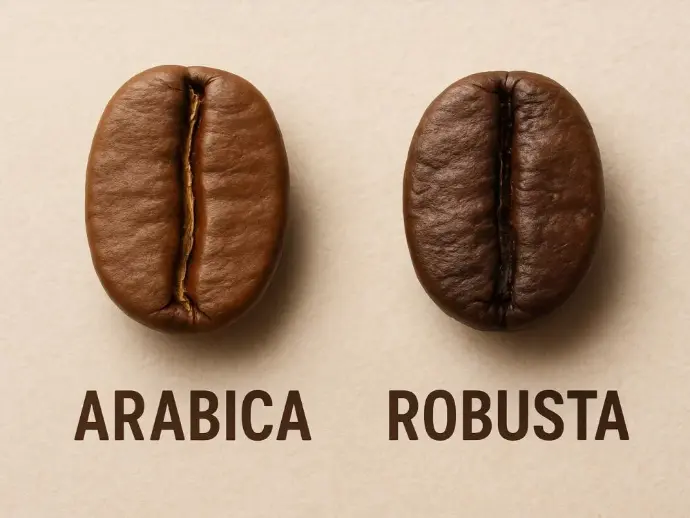
According on the type of coffee
1. Arabica Coffee
The most popular and premium coffee bean in the world. Known for its smooth, balanced taste with mild fruity acidity. Grown in high-altitude regions such as Ethiopia, Yemen, and Colombia. Contains less caffeine than other types, making it ideal for those who enjoy refined flavor.
2. Robusta Coffee Characterized by a strong, bitter taste and earthy aroma. Contains about twice as much caffeine as Arabica. Grown in low-altitude, warm regions like Vietnam, Brazil, and West Africa. Commonly used in espresso blends for added strength and crema.
3. Liberica Coffee
A rare variety grown mainly in West Africa and Southeast Asia. Offers a rich, heavy body with notes of fruit and floral undertones. Recognized by its large, irregularly shaped beans.
4. Excelsa Coffee
A subspecies of Liberica, often used to add depth and complexity to coffee blends. Provides a light fruity flavor with balanced acidity.
In Summary: Each type of coffee bean carries its own unique character. The true art of coffee lies in the perfect harmony between origin, roasting, and brewing, creating an experience that awakens the senses with every cup.

According to the preparation methods
1. Espresso
Preparation: Hot water is forced through finely ground coffee under high pressure.
Characteristics: Strong and concentrated, forms the base for many other coffee drinks.
Derived drinks: Cappuccino, Latte, Americano, Mocha.
2. Turkish Coffee
Preparation: Very finely ground coffee is boiled with water (and sometimes sugar) in a cezve (Turkish coffee pot).
Characteristics: Thick and concentrated, with sediment at the bottom, rich and often slightly sweet.
3. French Press (Press Coffee)
Preparation: Coarsely ground coffee is steeped in hot water, then separated by pressing a metal plunger.
Characteristics: Rich, full-bodied flavor with some bitterness, smooth texture.
4. Drip / Filter Coffee (American Coffee)
Preparation: Hot water slowly drips through coffee grounds in a paper or metal filter.
Characteristics: Lighter flavor than espresso, ideal for long drinking sessions, less concentrated.
5. Cold Brew
Preparation: Coarse coffee grounds are steeped in cold water for 12–24 hours, then filtered.
Characteristics: Less acidic and bitter, smooth and refreshing, served with ice or milk.
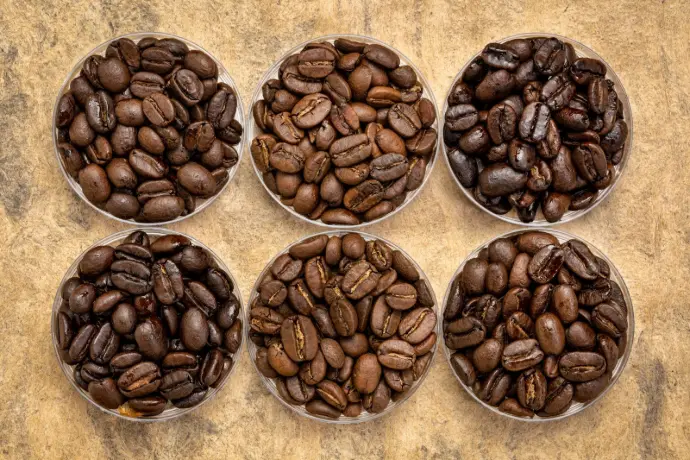
According to the quality grades
1. Specialty Coffee
Description: The highest quality grade, grown under ideal conditions with carefully selected beans.
Specifications:
Less than 5% defects.
Balanced acidity, distinct flavor, rich body.
Often certified by the Specialty Coffee Association (SCA).
Example: Arabica beans from Ethiopia or Colombia.
2. Premium Coffee
Description: High-quality coffee, slightly below specialty grade.
Specifications:
Low defect rate.
Good, consistent flavor.
Typically sold at higher prices than average coffee.
3.
Commercial / Standard Coffee
Description: The most common type in the general market.
Specifications:
Higher defect rate.
Less distinctive flavor, lighter body.
Often blends of different beans to maintain consistent taste.
4. Arabica vs. Robusta
Arabica is generally considered higher quality due to its smoother and more complex flavor.
Robusta is often used in commercial blends or to add caffeine and body.
Summary: Coffee quality classification is based on bean quality, defect rate, flavor, aroma, and consistency, not preparation method or country of origin.
If you want, I can create a comprehensive table showing quality grade, bean type, flavor profile, caffeine content, and typical price range for easy comparison.